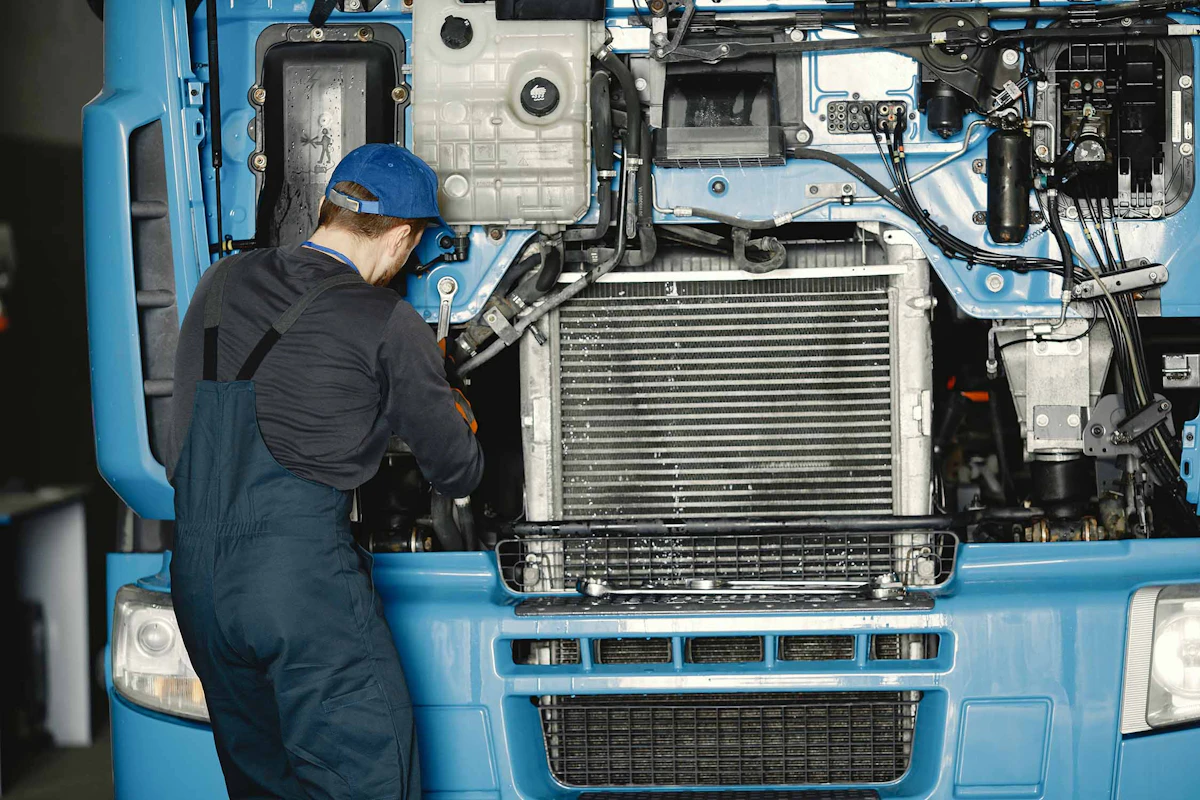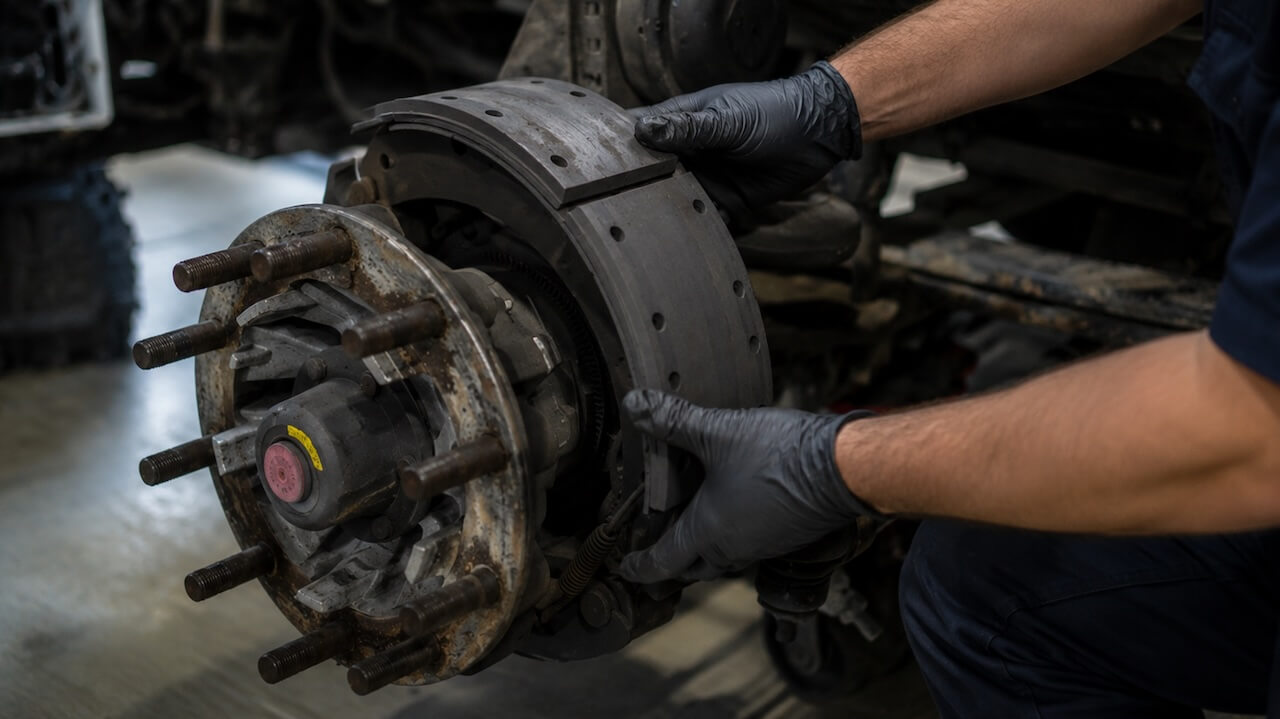
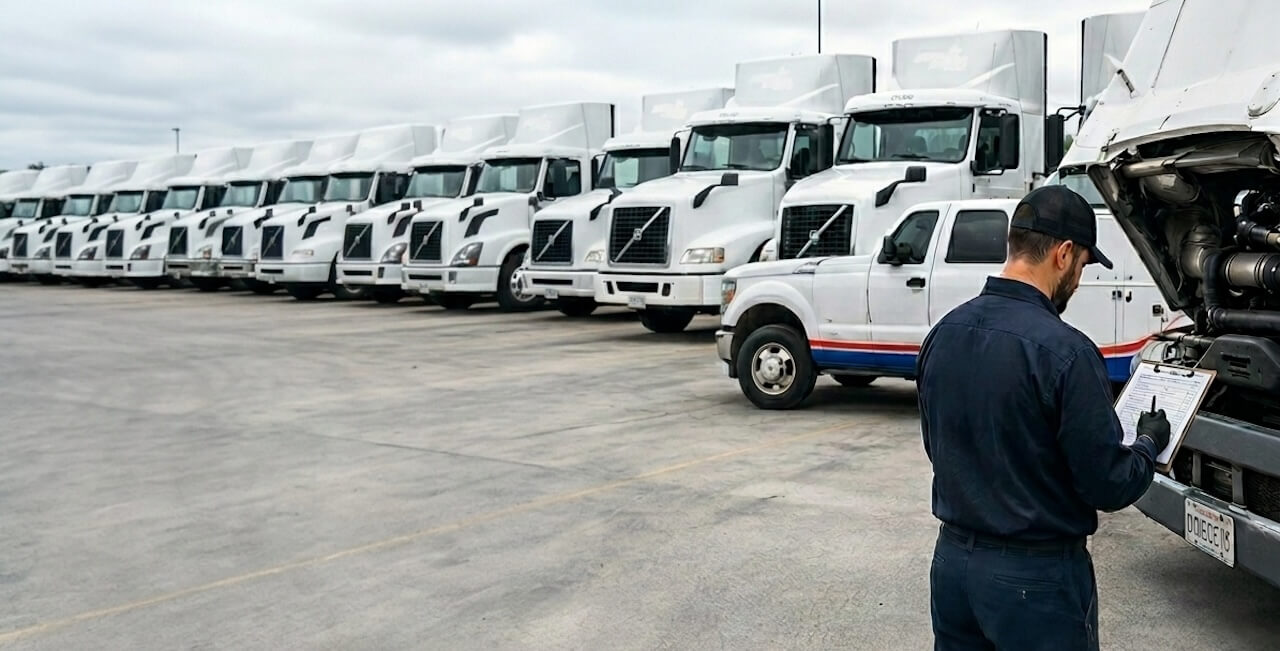
Whether you manage delivery vans, utility trucks, construction equipment, or heavy-duty diesel vehicles, choosing the right fleet maintenance agreement can significantly reduce unexpected breakdowns and long-term operating costs.
Not all maintenance contracts are created equal. Some provide genuine value through preventive maintenance, priority scheduling, and transparent pricing. Others contain hidden fees, vague service terms, and limitations that can leave your fleet vulnerable when you need support most.
Before signing a fleet maintenance agreement, here's what you should look for—and what you should avoid.
Why Fleet Maintenance Agreements Matter
A well-structured fleet maintenance program helps businesses move from reactive repairs to proactive vehicle management. Instead of waiting for breakdowns, vehicles are regularly inspected, serviced, and monitored to identify issues before they become costly failures.
Fleet maintenance contracts often provide:
- Scheduled preventive maintenance
- Priority repair scheduling
- Consolidated billing
- Maintenance tracking and reporting
- Reduced administrative workload
- Improved vehicle uptime
- Better budgeting and cost forecasting
When properly managed, preventive maintenance can dramatically reduce expensive roadside breakdowns and emergency repairs while extending vehicle lifespan.
What to Look for in a Fleet Maintenance Agreement
1. Clearly Defined Service Coverage
Every contract should clearly outline what services are included and what services fall outside the agreement. Ambiguous language often leads to billing disputes and unexpected costs.
Look for detailed descriptions covering:
- Oil and filter changes
- Brake inspections
- DOT inspections
- Engine diagnostics
- Cooling system maintenance
- Electrical troubleshooting
- Aftertreatment system service
- Tire inspections and rotations
- Preventive maintenance intervals
The more specific the contract, the fewer surprises you'll encounter later.
2. Preventive Maintenance Scheduling
A strong maintenance agreement should prioritize prevention, not just repairs. Regular inspections and scheduled service intervals help identify problems before they result in downtime.
Ask whether the provider tracks:
- Mileage intervals
- Engine hours
- Service history
- Upcoming maintenance requirements
- DOT compliance deadlines
The best providers actively remind fleet managers when vehicles are due for service instead of waiting for customers to schedule appointments.
3. Priority Scheduling for Fleet Customers
One of the biggest advantages of a fleet agreement is faster access to service.
When a revenue-generating vehicle is out of service, every hour matters. Your contract should clearly define how fleet customers receive scheduling priority compared to non-contract customers.
Ask questions such as:
- What is the average response time?
- Are fleet customers moved to the front of the repair queue?
- Is emergency service available?
- Are mobile repair options offered?
4. Detailed Vehicle Service Records
Maintenance records are invaluable for budgeting, compliance, resale value, and identifying recurring issues.
Your maintenance provider should maintain detailed records for every vehicle, including:
- Service dates
- Repairs completed
- Parts replaced
- Inspection results
- Warranty information
- Future maintenance recommendations
Access to organized vehicle histories makes fleet management significantly easier.
5. Transparent Pricing Structure
Fleet agreements should provide predictable costs, not unexpected invoices.
Review how the provider handles:
- Labor rates
- Parts markup
- Emergency repairs
- After-hours service
- Mobile service fees
- Diagnostic charges
Transparent pricing helps fleet managers budget accurately and avoid disputes later.
6. Communication and Reporting
Effective fleet maintenance requires consistent communication between service providers and fleet managers.
Your provider should notify you about:
- Pending repairs
- Safety concerns
- Compliance issues
- Unexpected repair discoveries
- Vehicle downtime estimates
Regular reporting helps managers make informed decisions and avoid preventable breakdowns.
What to Avoid in a Fleet Maintenance Contract
Vague Service Descriptions
If contract language is unclear, ask for clarification before signing. Broad statements such as "general maintenance services" can create disagreements regarding coverage and billing.
Automatic Renewals Without Notice
Many contracts contain automatic renewal clauses. Make sure you understand cancellation deadlines, renewal terms, and any penalties associated with ending the agreement.
Hidden Fees
Some providers advertise attractive pricing but add charges for diagnostics, travel, administrative work, or after-hours service.
Request a complete fee schedule before signing any agreement.
Limited Repair Capabilities
A provider may offer preventive maintenance but lack the capability to handle major repairs, diagnostics, emissions systems, or heavy-duty diesel work.
Before signing, verify that the shop can support your fleet's specific vehicle types and repair requirements.
Poor Response Times
A maintenance agreement loses value if vehicles sit for days waiting for diagnosis or approval.
Ask prospective providers about average turnaround times and how repair priorities are determined.
No Performance Metrics
Quality providers track performance. If a maintenance company cannot provide reporting on uptime, repair turnaround, service history, or preventive maintenance compliance, it may be difficult to measure the value of the program.
Questions to Ask Before Signing
Before committing to a fleet maintenance provider, consider asking:
- What services are included in the agreement?
- How are emergency repairs handled?
- Do fleet customers receive priority scheduling?
- What reporting tools are available?
- How are parts and labor billed?
- What are the cancellation terms?
- Can you support all vehicle classes in my fleet?
- Do you provide mobile repair services?
- How are maintenance reminders managed?
- What is your average repair turnaround time?
The Bottom Line
The right fleet maintenance agreement can reduce downtime, improve reliability, simplify budgeting, and help extend the life of your vehicles. However, not every contract delivers the same value.
Look for providers that offer preventive maintenance scheduling, transparent pricing, detailed reporting, strong communication, and proven repair capabilities. At the same time, avoid vague contracts, hidden fees, restrictive terms, and providers that lack the resources to support your fleet when problems arise.
A fleet maintenance agreement should function as a partnership focused on maximizing uptime—not simply another vendor relationship.